Best materials for high-performance barrier coatings
In today's competitive materials industry, the demand for high-performance barrier coatings has surged due to their significant role in extending the lifespan of products and improving efficiency. Barrier coatings protect surfaces from environmental damage, moisture, and contaminants. As our drive toward sustainability intensifies, these specialized coatings have become crucial in various applications—from food packaging to advanced electronics. This article explores the significance of high-performance barrier coatings, discussing their definitions, applications, advantages, and how they can evolve your products.
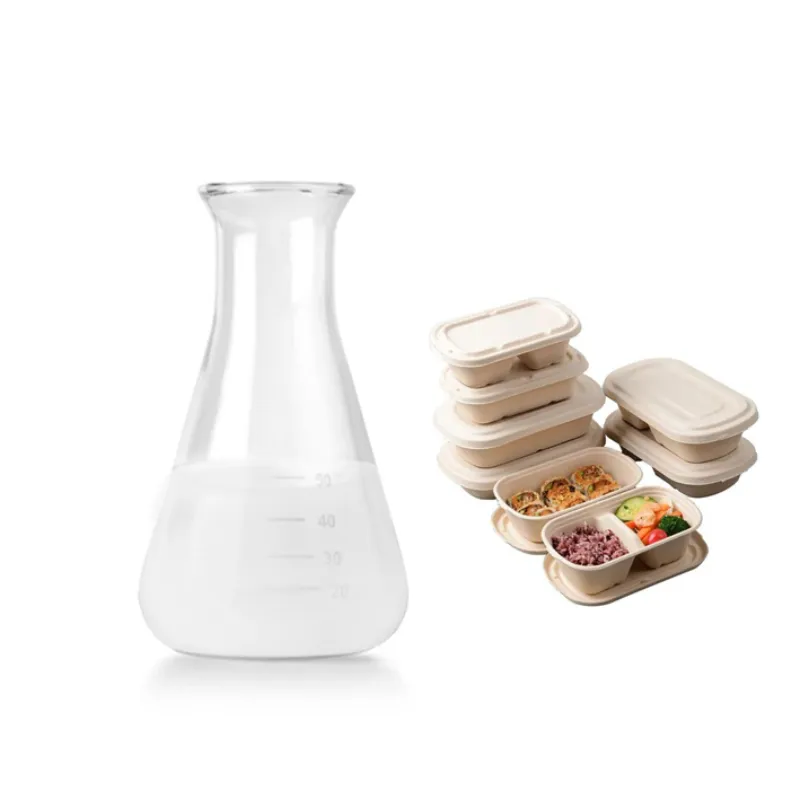
What Are Barrier Coatings?
Barrier coatings are specialized materials applied to surfaces to prevent the transmission of gases, moisture, and other environmental factors. These coatings utilize advanced polymers combined with fillers, enhancing their performance and durability. Industry-specific terms associated with barrier coatings include "oxygen permeability," referring to the ability of a coating to restrict oxygen flow, and "moisture vapor transmission rate" (MVTR), which measures the rate at which moisture passes through a barrier.
According to recent studies, high-performance barrier coatings can reduce oxygen transmission rates by up to 90%, significantly improving the shelf life of perishable goods. Furthermore, coatings that incorporate nanotechnology have shown to perform exceptionally well, minimizing the degradation of substrates under harsh environmental conditions.
Application Scenarios: Where Are Barrier Coatings Used?
High-performance barrier coatings find applications across various industries, showcasing their versatility:
Food Packaging: These coatings are essential for extending the shelf life of perishable products. For instance, they can significantly lower oxygen and moisture penetration rates, consequently increasing the freshness duration of packaged foods.
Electronics: In the electronics sector, barrier coatings can protect sensitive components from moisture and corrosive elements, which can enhance the reliability and durability of gadgets like smartphones and laptops.
Automotive: In automotive manufacturing, barrier coatings help prevent rust and corrosion, contributing to the longevity of vehicle parts exposed to the elements.
Textiles: In the textile industry, barrier coatings can provide water resistance and breathability, beneficial for outdoor clothing and gear.
Advantages of High-Performance Barrier Coatings
The significance of high-performance barrier coatings extends beyond mere protection. Here’s why they are crucial:
Increased Product Longevity: Coatings can extend the life of materials, reducing the need for frequent replacements. For example, industrial components treated with advanced barrier coatings can last 20-30% longer than untreated ones.
Enhanced Performance: By minimizing material degradation, these coatings can enhance overall performance metrics. For example, treated surfaces may show an up to 75% reduction in fouling and maintenance requirements.
Sustainability: High-performance barrier coatings contribute to sustainability efforts by reducing waste and energy consumption associated with product replacement. By extending product lifetimes, manufacturers can play a part in mitigating environmental impact.
Next Steps: Explore High-Performance Barrier Coatings
To truly grasp the benefits and application of high-performance barrier coatings, interested parties should consult product user guides or conduct further research. Brands like HumenChem offer extensive resources that can help users understand the intricacies and optimal applications of their barrier coating solutions.
Comments
Post a Comment